The Short Version
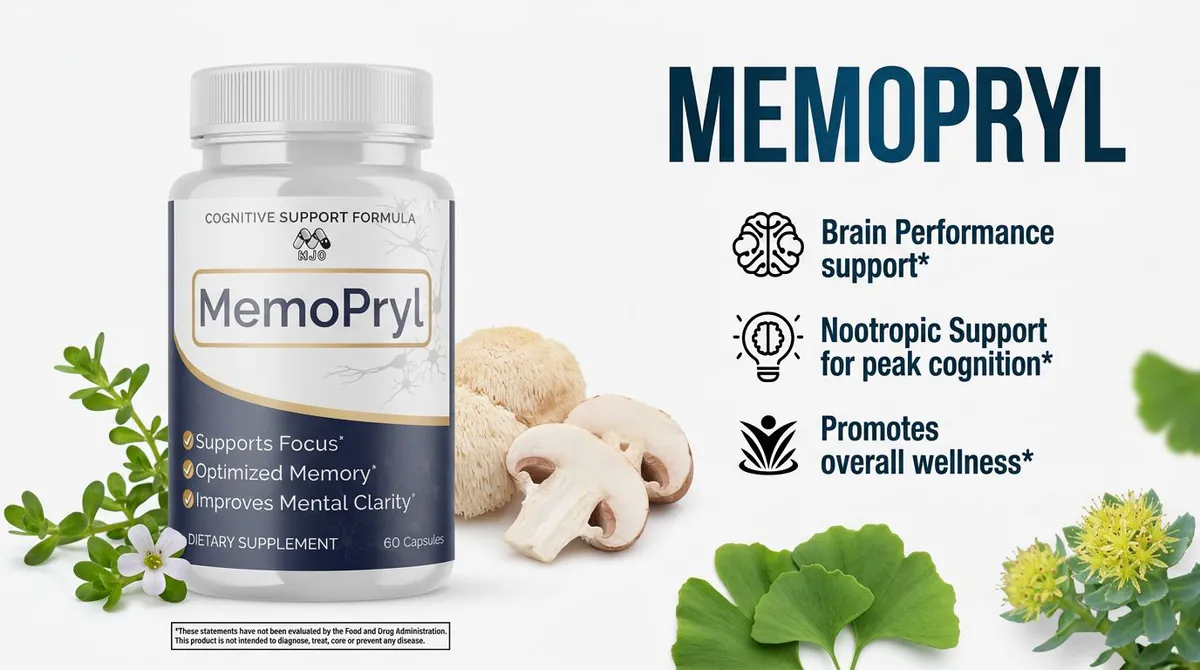
MemoPryl is formulated from six ingredients that are individually well studied and generally well tolerated by healthy adults: Bacopa Monnieri, Lion's Mane mushroom, Ginkgo Biloba, Phosphatidylserine, Rhodiola Rosea, and Omega-3 DHA. The most commonly reported effect across the formula is mild digestive upset, usually resolved by taking the capsules with a meal. The interactions worth taking seriously involve blood-thinning medication, thyroid medication, and antidepressants — covered in detail below.
This page is educational and does not replace advice from your own doctor or pharmacist, who knows your full medication list and health history.
Side Effects by Ingredient
Rather than one generic "consult your doctor" line, here is what each ingredient's own research actually reports.
| Ingredient | Most commonly reported effect |
|---|---|
| Bacopa Monnieri | Mild digestive upset (nausea, loose stools) when taken without food. |
| Lion's Mane | Minimal in trials; possible allergic reaction in those sensitive to mushrooms. |
| Ginkgo Biloba | Increased bleeding risk; the most significant interaction in this formula. |
| Phosphatidylserine | Occasional insomnia if taken late in the day; mild digestive upset. |
| Rhodiola Rosea | Dizziness or jitteriness at higher doses; can disrupt sleep if taken late. |
| Omega-3 DHA | Mild fishy aftertaste; mild blood-thinning effect at higher doses. |
Drug Interactions Worth Knowing
Three interaction patterns come up across the formula, and they are worth understanding rather than skimming past:
- Blood thinners and bleeding risk. Ginkgo Biloba and Omega-3 DHA both carry documented, independent bleeding-risk considerations — and this formula contains both. Anyone on anticoagulant or antiplatelet medication, including daily low-dose aspirin, should talk to a doctor first. The same applies if you have surgery scheduled: a common recommendation is to stop both at least two weeks beforehand.
- Thyroid medication. Bacopa Monnieri has been studied for effects on thyroid hormone levels in animal research. Human data is limited, but the standard caution applies to anyone on thyroid medication or with a thyroid condition.
- Antidepressants, especially MAOIs. Rhodiola Rosea affects several neurotransmitter and monoamine pathways, which creates a plausible interaction with serotonergic antidepressants and MAOIs that has not been formally ruled out. Speak to the prescribing doctor before combining.
Who Should Avoid MemoPryl
Talk to a doctor or pharmacist before ordering if any of the following apply to you:
- Pregnant or breastfeeding — none of the six actives has adequate safety data in pregnancy.
- Taking anticoagulant or antiplatelet medication, or with surgery scheduled.
- Taking thyroid medication or managing a thyroid condition.
- Taking antidepressant or anti-anxiety medication, especially an MAOI.
- Living with a seizure disorder — Ginkgo Biloba has rare case reports linked to seizure threshold.
- Allergic to soy — Phosphatidylserine is most commonly soy-derived.
How to Reduce the Chance of Side Effects
Most of the reported effects above are dose- and timing-related rather than random, which means a few simple habits meaningfully lower the odds of noticing them at all.
- Take both capsules with a meal. Bacopa Monnieri and Omega-3 DHA are both better tolerated with food, and fat-soluble compounds like DHA absorb better alongside a meal containing some fat.
- Take your dose earlier in the day. Rhodiola Rosea and Phosphatidylserine can be mildly stimulating for some people. If you notice trouble falling asleep, shift your dose to the morning rather than stopping altogether.
- Start paying attention in week one. Most side effects, when they occur, show up in the first several days as your body adjusts. If nothing unusual happens in the first two weeks, it is unlikely to appear later purely from continued use.
- Keep a simple log. If you take other supplements or medications, a one-line daily note of what you took and how you felt makes it far easier to identify a real interaction versus an unrelated symptom.
When to Stop and Call a Doctor
Mild digestive discomfort in the first week or two is common and not usually a reason to stop. The following are not: unusual bruising or bleeding, black or tarry stools, hives or facial swelling, difficulty breathing, or any symptom that feels severe or rapidly worsening. Stop taking MemoPryl immediately and seek medical attention if any of these occur, and bring the bottle with you so your doctor can see exactly what you were taking.
Still Have Questions?
See the complete label breakdown, or read the full MemoPryl review before deciding.
Check Availability & Pricing →What This Page Is Not
This page is not a substitute for medical advice, and it is not a claim that MemoPryl treats, prevents, or cures any condition — it does not. These statements have not been evaluated by the FDA. If you experience an unexpected reaction, stop use and contact a healthcare provider. For the full legal language, see our medical disclaimer.